Skip to content

Precision Scanning Smarter Dentistry

SHINING 3D DENTAL Elite Wireless

Why do you need Intraoral Scanner in your Practice

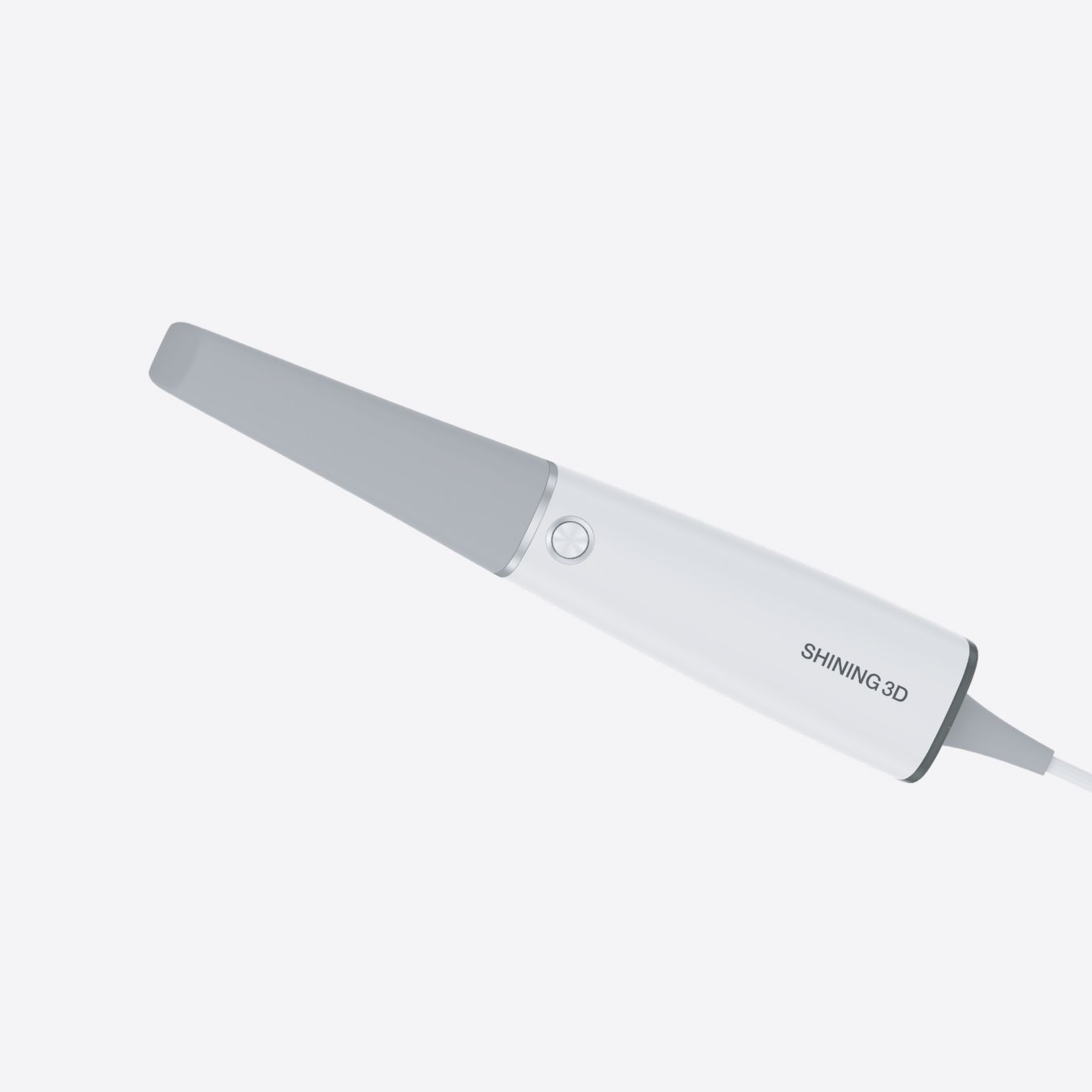
An intraoral scanner is a handheld device that captures digital impressions of the oral cavity and displays a 3D model in real-time.

At SHINING 3D Dental, intraoral scanners are a core component of our comprehensive digital dental solution.

By integrating our intraoral 3D scanners with SHINING 3D DENTAL’s broader ecosystem of dental hardware and software, clinicians gain a seamless, end-to-end solution that supports high-quality, consistent results across all dental applications.


About our Intraoral Scanner

Where Precision Meets Possibility.


A Full Lineup for Every Need

A Full Lineup for Every Need

Multiple models empower users to choose exactly the configuration that fits their specific clinical workflows and application needs.

Advanced Software Ecosystem

Advanced Software Ecosystem

Experience powerful software intelligence at every step. 
Unified Clinic & Lab Connectivity

Unified Clinic & Lab Connectivity

Cloud connectivity enables seamless data exchange between clinics and labs.

End-to-End Digital Dentistry Solution

End-to-End Digital Dentistry Solution

A fully integrated digital pathway supporting the entire clinical workflow from diagnosis to final restoration.


What KOLs Say about SHINING 3D DENTAL

  • Issac Tawil | SHINING 3D DENTAL KOL

    After building up on our first innovation into photogrammetry by creating the first-ever intraoralphotogrammetric solution, we have now taken the next leap forward, something that no othercompany has been able to do. We've now cut the cord. The lightweight, ergonomic ability andcomfort level have now been taken into the wireless realm to create a seamless integration of thebest of both worlds of intraoral scanning and IPG technology. 

    Dr. Isaac Tawil,

    DDS MS, USA

  • Ahmad Al-Hassiny | SHINING 3D DENTAL KOL Testimonial

    What really differentiates the SHINING 3D scanner is how confidently it performs in real clinical scenarios. The precision is excellent, but the IPG system is what elevates the experience—it actively guides you, helping you capture the data you need the first time. My team loves how intuitive it feels, and the scan quality has been consistently strong for crowns, aligners, and implant planning. It’s a scanner that genuinely empowers a modern digital practice.

    Dr. Ahmad Al-Hassiny,

    Director of IDD, New Zealand

  • Amr Elkhadem | SHINING 3D DENTAL KOL Testimonial

    The SHINING 3D intraoral scanner delivery accuracy I can trust after the case is completed. Even full-arch scans come out consistently detailed, which has noticeably improved my restorative and implant workflows. IPG guidance is incredibly practical—it directs me smoothly through each scan and reduces rescans almost entirely. It’s a dependable tool that has made our digital workflow faster and more predictable.

    Dr. Amr Elkhadem,

    BDS,MSc,PhD
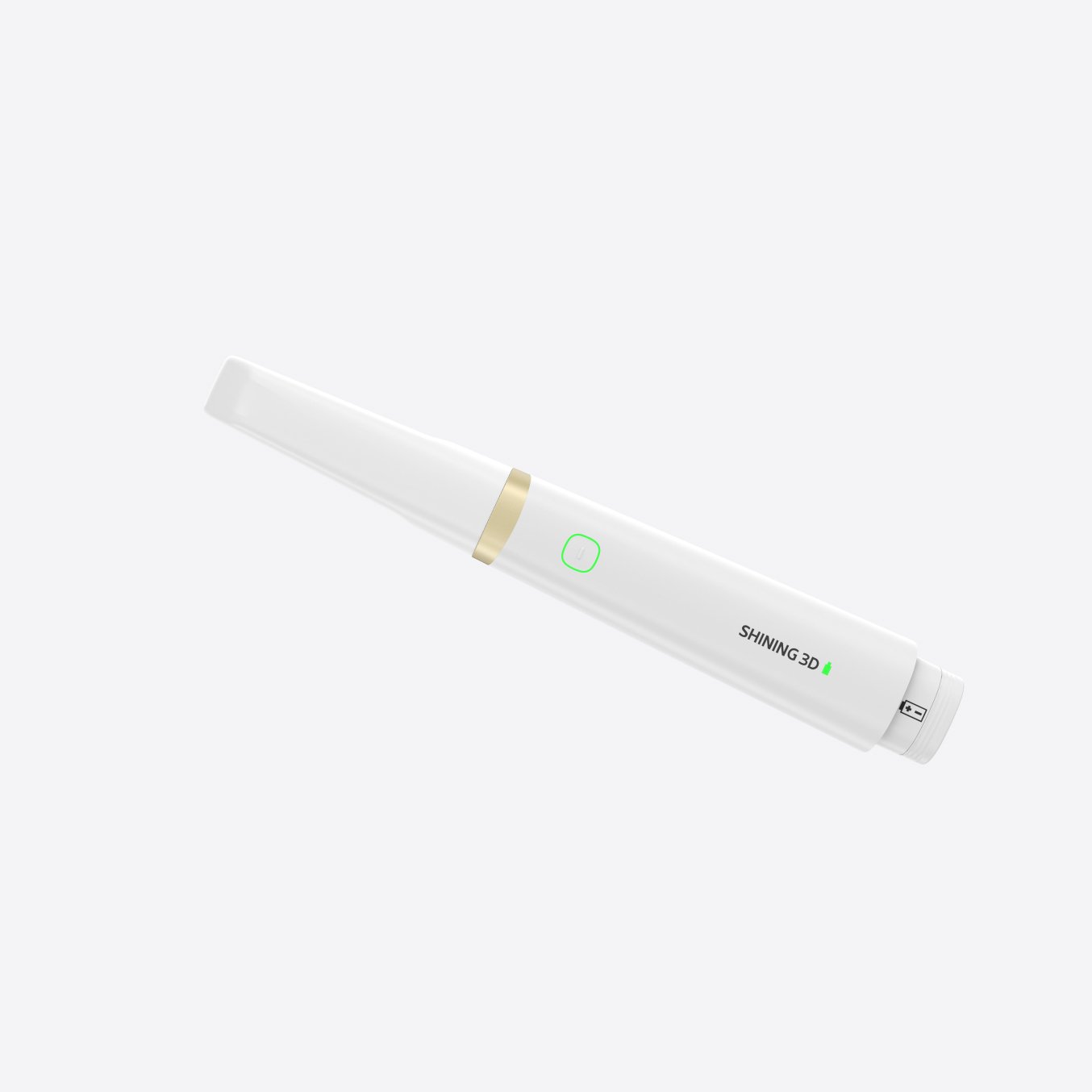
 

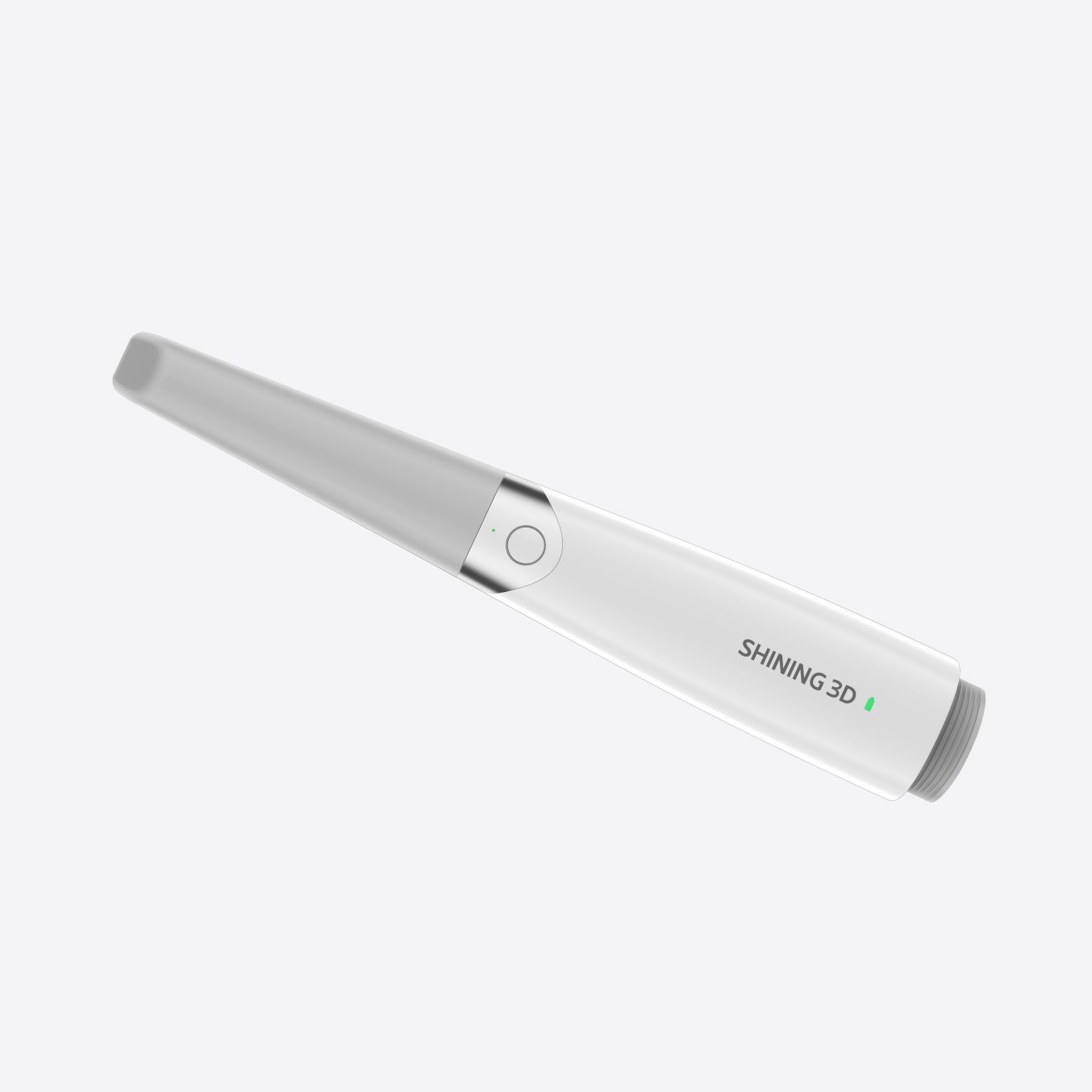
IPG Intraoral Scanner

An advanced intraoral scanner built on Intraoral Photogrammetry technology to deliver exceptional accuracy and true-to-detail 3D data.

  • Photogrammetry-based high precision
  • Ideal for All-On-X workflow

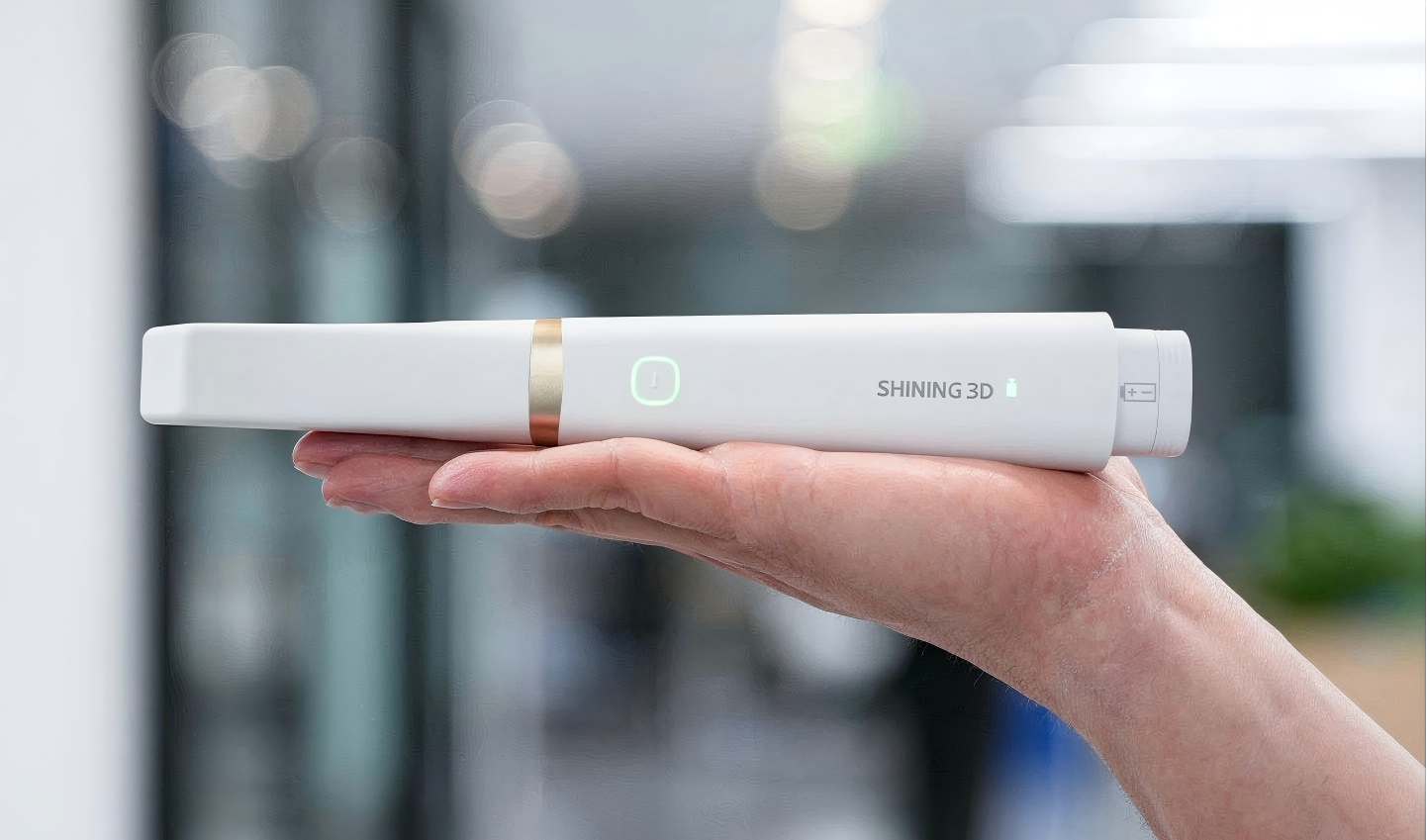
Wireless Intraoral Scanner

A cable-free scanner offering full mobility and ergonomic comfort.

  • Fully cable-free use
  • Flexible, free movement
  • Long battery performance

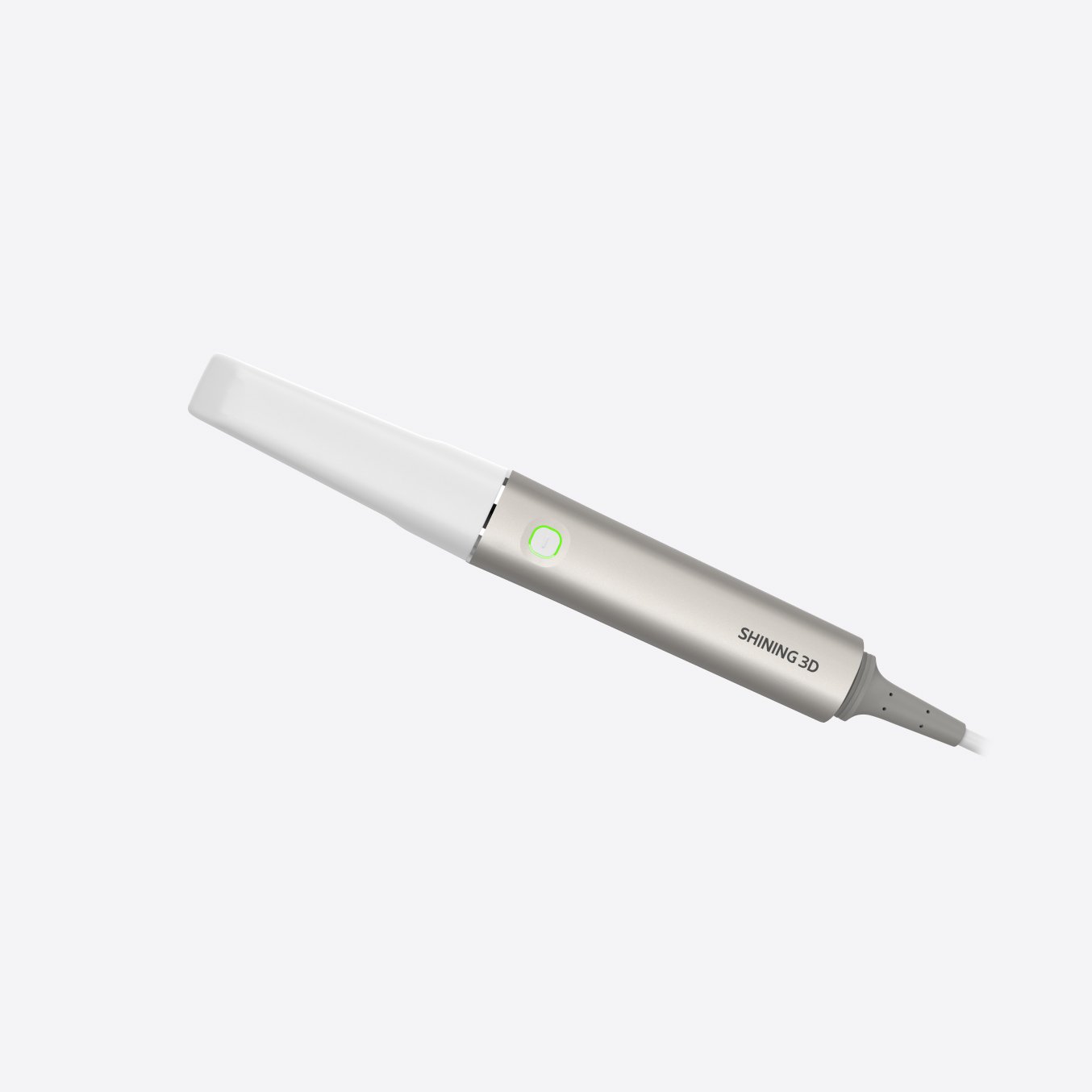
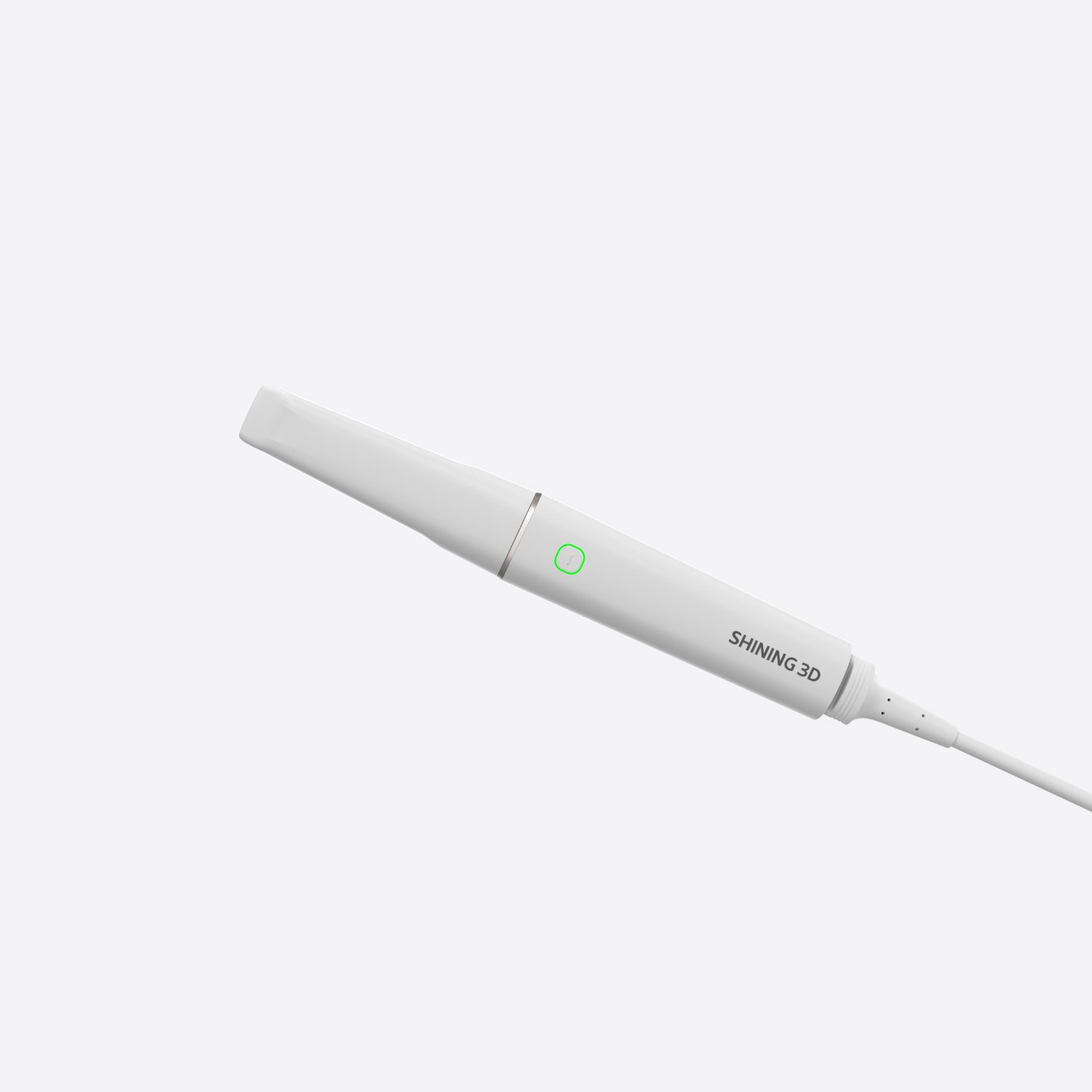
Wired Intraoral Scanner

A plug-in scanner delivering stable, fast, and reliable performance.
  • Stable wired connection
  • Consistent power supply
  • Fast, reliable scanning


Compare SHINING 3D DENTAL Aoralscan Series Intraoral Scanner

Product
Elite Wireless
Aoralscan Elite Wireless
Aoralscan Elite
Aoralscan Elite
AO3 W
Aoralscan 3 Wireless
Aoralscan 3
Aoralscan 3
Aoralscan L
Aoralscan L
Aoralscan Elf
Aoralscan Elf
Weight
194g(with battery)
124g (without cable)
330±20g (includes battery, tip)
240 ± 10 g (without cables)
239 ± 20 g (without cables)
106g (without cable)
Quantity
6
6
5
5
5
6
CPU
IntelCorei7-8700 or higher
Intel Core i7-8700 or higher
Extra match scan
Accudesgin
Plaque management suite
IPG technology
IntelliBite


How to Unlock the Power with Intraoral Scanner

  • Implant

    All-on-Five Implant Case Using Aoralscan Elite and MetiSmile from Shining 3D DENTAL

    Read more

  • New Product

    Why Is Bite Registration Harder Than You Think?

    Read more

  • Orthodontics

    Digital Implant and Occlusal Reconstruction for Edentulous Patient Using Aoralscan Elite and MetiSmile

    Read more

FAQ

  • How Does an Intraoral Scanner Work?

    An intraoral scanner uses optical and digital technology to capture 3D images of a patient's oral cavity. The handheld device projects a light source onto the teeth and soft tissues, which is then reflected back and captured by sensors. Specialized software processes this data to create a detailed digital 3D model in real-time, allowing dentists to analyze and design restorations without the need for traditional impressions.
  • What Makes SHINING 3D Dental Intraoral Scanners Special?

    Shining 3D Dental intraoral scanners stand out due to their comprehensive product range, covering everything from entry-level models to the high-end Elite series, which is suitable for complex full-arch implant cases. This allows clinicians to choose solutions tailored to different clinical needs. Shining 3D Dental also offers a complete end-to-end digital workflow—including intraoral and facial scanners, design software, cloud-based design platforms, and 3D printers—ensuring seamless integration and efficiency. Backed by strong R&D capabilities, Shining 3D Dental continuously delivers software updates and robust customer support, keeping clinics at the forefront of digital dentistry.
  • How to Use An Intraoral Scanner?

    To use an intraoral scanner, the dentist or technician gently inserts the scanner into the patient's mouth. The scanner is moved smoothly over the teeth and gums, capturing images in real-time. Proper technique involves steady hand movement, correct angulation, and ensuring full coverage of all surfaces. The scanned data is then processed into a 3D model for diagnostics, planning, or restoration design.
  • What Scanner is IPG Scanner?

    Intraoral scanners offer enhanced comfort, speed, and accuracy compared to traditional impressions. They reduce patient discomfort, improve communication with labs, and enable digital workflows like CAD/CAM and 3D printing. Scanners also help in better diagnosis, treatment planning, and documentation. Overall, they streamline procedures, save time, and improve clinical outcomes.
  • What are the Clinical Applications of intraoral scanners?

    Intraoral scanners are used in a variety of dental specialties. Common applications include orthodontics (for aligners and retainers), prosthodontics (crowns, bridges, inlays, veneers, etc), implantology (guide planning, full arch restorations, etc), and general dentistry (cavity detection, records, and oral health management). They also assist in digital smile design, monitoring wear or gingival changes, and facilitating patient education through visual models.
  • Why Use an Intraoral Scanner over a traditional impression?

    Intraoral scanners can be categorized by technology and usage. Common types include confocal scanners, Structured Light scanners, and intraoral photogrammetry (IPG). Some are wired, others wireless; some focus on speed and full-arch scanning, while others are optimized for accuracy for all all-on-X implant cases or integration with CAD/CAM systems. Each type varies in resolution, ease of use, and clinical application.